Designing an outdoor living space not only enhances your home but can also contribute to environmental sustainability. As more homeowners seek to create functional and beautiful outdoor areas, the concept of sustainability has become central to landscape design. This article explores how to craft an outdoor living space that balances aesthetics, utility, and ecological responsibility.
Understanding Sustainable Landscaping
Sustainable landscaping is about creating environments that are both beautiful and beneficial to the ecosystem. It involves using techniques that minimize resource consumption while maximizing the health of local flora and fauna. Key principles include selecting native plants, employing water-efficient practices, and reducing chemical use. When these elements are combined thoughtfully, you create spaces that harmonize with nature instead of competing against it.
The Role of Xeriscaping
One effective approach within sustainable landscaping is xeriscaping, which emphasizes drought-resistant plants and efficient water use. This method is particularly valuable in arid regions where maintaining a traditional lawn can be both costly and environmentally damaging. Xeriscape design focuses on choosing native or adapted species that thrive in local conditions, thereby reducing the need for additional watering and fertilizers.
A well-designed xeriscape yard features various plant layers that create visual interest while supporting local wildlife. For instance, using ground covers can suppress weeds without herbicides, while shrubs provide habitat for birds and insects. By working with nature rather than against it, you cultivate a vibrant ecosystem right in your backyard.
Planning Your Outdoor Living Space
When considering how to create an outdoor living space with sustainability in mind, start by assessing your needs and desires. Ask yourself what activities you envision—dining, entertaining, gardening, or simply relaxing? Each function will require different considerations regarding layout, materials, and plant selection.
Designing Functional Zones
Creating distinct zones within your outdoor area can enhance its usability while keeping sustainability at the forefront. For example:
- Dining Area: Position a table and chairs under a pergola or shade tree to make meals more enjoyable during warm months. Lounge Zone: Incorporate comfortable seating with natural materials like wood or stone for durability without sacrificing style. Garden Space: Dedicate part of your yard to growing vegetables or herbs. Raised beds can improve soil quality while adding structure.
Each zone should be designed with materials that blend seamlessly into the environment. Using reclaimed wood for decking or furniture not only reduces waste but adds character to your space.
Selecting Sustainable Materials
The choice of materials plays a significant role in the overall sustainability of your outdoor living area. Opting for local creative xeriscape design ideas stone helps reduce transportation impacts while enhancing the aesthetic appeal of hardscapes. Similarly, choosing permeable paving allows rainwater to seep through rather than running off into storm drains.
When it comes to furniture, select pieces made from recycled or sustainably sourced materials. Many manufacturers now offer beautiful options crafted from reclaimed wood or recycled plastics that resist wear and tear over time.
Water Conservation Techniques
Water conservation is critical when designing any outdoor space, especially in areas prone to droughts. Beyond xeriscaping principles, there are various strategies you can employ:
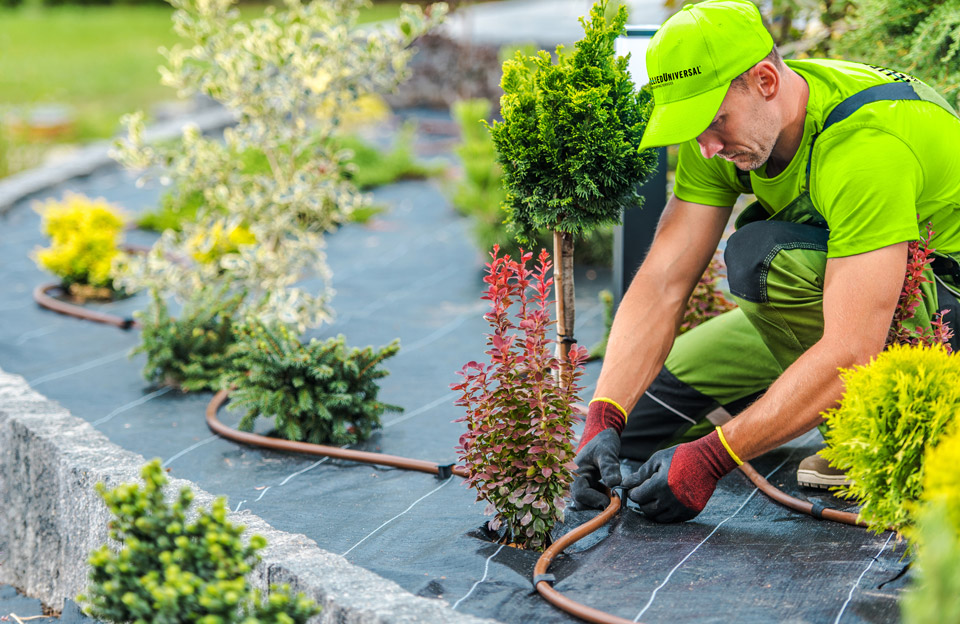
- Rain Gardens: These shallow depressions planted with native vegetation capture rainwater runoff from roofs or driveways. Drip Irrigation: Unlike traditional sprinklers that waste water through evaporation or overspray, drip irrigation delivers moisture directly to the roots where it’s needed most. Mulching: A thick layer of organic mulch around plants helps retain soil moisture while suppressing weeds naturally.
Implementing these techniques not only lowers your water bill but also promotes healthier plant growth by ensuring they receive adequate moisture.
Building Wildlife-Friendly Spaces
Integrating wildlife-friendly features into your outdoor living space can further enhance its sustainability. By providing habitats for birds, butterflies, and beneficial insects like bees, you help maintain biodiversity in your area.
Consider planting nectar-rich flowers that attract pollinators alongside native shrubs that offer shelter and food sources year-round. Installing birdhouses or bat boxes provides homes for species that control pests naturally.
Incorporating native plants is crucial here as they have co-evolved with local wildlife. They tend to require less maintenance than non-native species and are better suited for surviving local climate variations.
Outdoor Lighting Solutions
While creating an inviting atmosphere in your outdoor living space is essential, lighting must balance aesthetics with energy efficiency. Solar-powered lights represent an excellent option as they harness renewable energy during the day and provide illumination at night without relying on electric grids.
Strategically placing lights along pathways ensures safety while highlighting key features like trees or sculptures without overwhelming the senses. Motion-sensor lights add another layer of practicality by activating only when needed—further conserving energy resources.
Seeking Professional Help
Though many homeowners take on landscaping projects themselves out of desire or necessity, consulting professionals often results in more successful outcomes—especially when focusing on sustainable practices such as xeriscaping design services offered by licensed landscape contractors who specialize in eco-friendly methods.
Professional designers bring expertise regarding plant selection suited for specific microclimates within yards as well as proper implementation techniques necessary for achieving long-term success without compromising environmental integrity.
If you're seeking help locally but unsure where to begin looking online for "landscape design services near me," consider checking reviews from previous clients who prioritize sustainable landscaping principles similar to yours before making contact decisions based solely on convenience alone.
Maintaining Your Sustainable Outdoor Living Space
Once established correctly through thoughtful planning & execution processes outlined above; ongoing maintenance ensures longevity & vitality within any landscaped area created sustainably over timeframes ranging from weeks up until years depending upon initial investments made upfront initially too!
Regularly checking soil moisture levels helps avoid overwatering while promoting healthy root systems developing deep down below ground surface layers throughout seasons ahead too! Additionally pruning dead foliage encourages new growth cycles taking place continuously throughout changing climatic conditions encountered periodically across annual cycles experienced frequently year after passing year thereafter going forward indefinitely henceforth!
Creating an outdoor living space focused on sustainability requires thoughtful planning around elements such as material choices alongside plant selections tailored specifically towards maximizing ecological benefits derived through careful attention devoted towards integrating diverse natural components harmonizing beautifully together whilst remaining mindful about minimizing unnecessary resource consumption wherever possible throughout entire project lifecycle stages involved therein progressively unfolding step-by-step gradually building towards ultimate goals intended initially right from outset beginning stages pursued diligently until completion achieved ultimately successfully thereafter continuing onward thereafter maintaining momentum consistently going forward perpetually forward indefinitely into future horizons ahead awaiting discovery beyond current present moment experienced presently here today!